
Most viewed articles
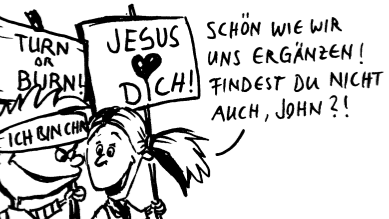
I'll do it! I'm not doing it! Do I? I'm not doing it?
Going out, reaching out to others, takes overcoming. What will she/he think if I suddenly come and exemplify the faith or tell something about it?
I am not going to do it
This article is a Forum booklet article.
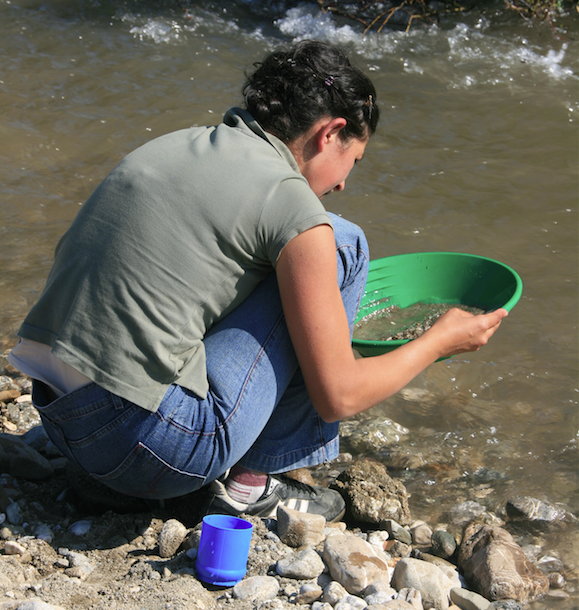
Various camp programs with a "Gold Diggers"
theme
This season, we will look at the story of William Tyndale, who translated the Bible from Hebrew into English. Through this story, we will be able to show children the importance of the Word and that we should be thankful to have it in a language that is accessible to us. We will experience different things that are part of the story.
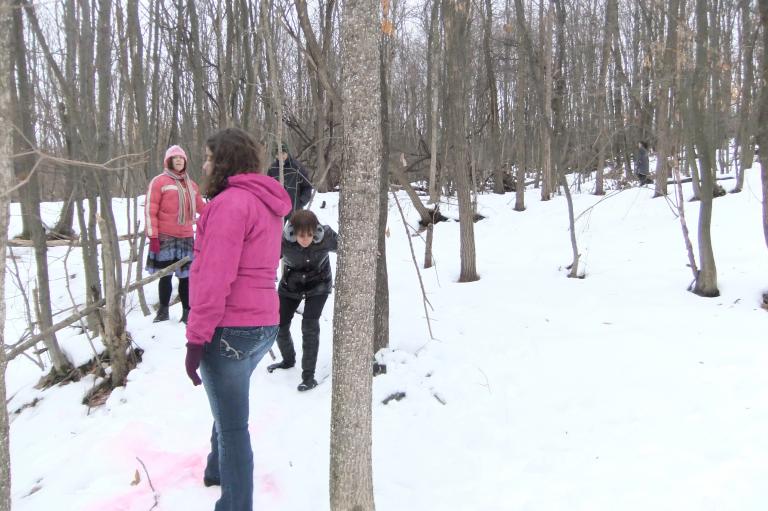
The fox stole a hen.
Who will find her on the trail ?

Only a small percentage of the water on earth is drinking water - much of it is salt water or polluted. This article explains how to obtain drinking water in the wild.
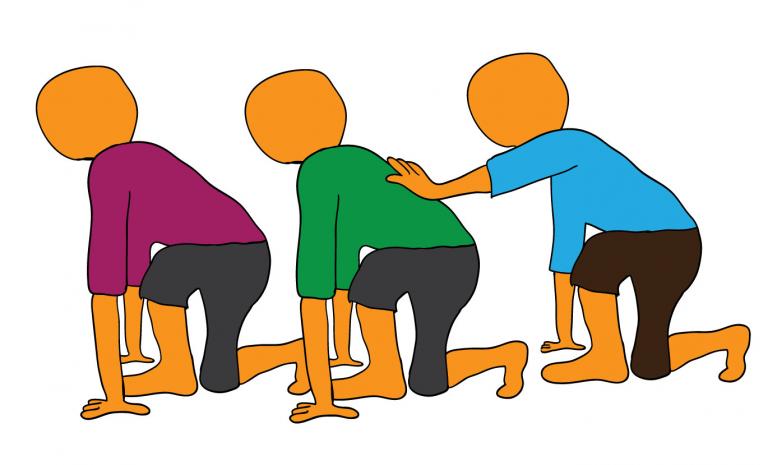
A quick reaction game with evaluation.

Be well prepared for emergencies in the youth group. Unfortunately, even we are not immune to accidents, illnesses, or tick bites. This document is intended to help you prepare for these scenarios.
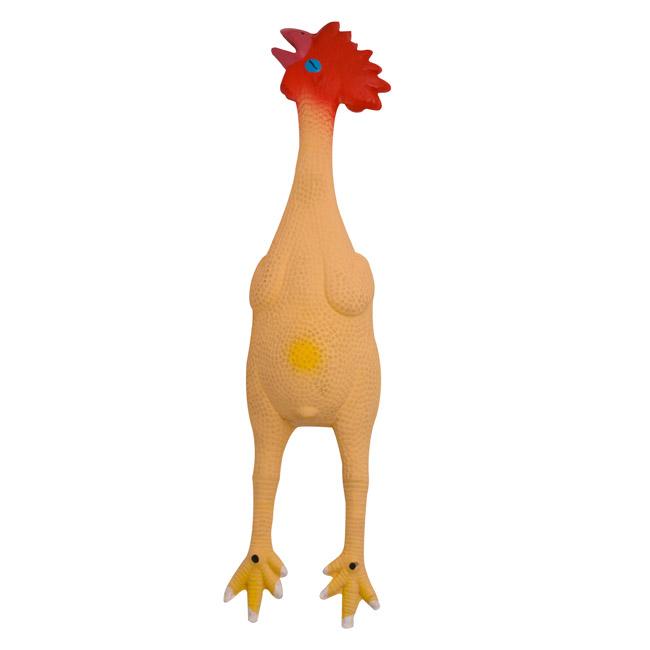
Materials needed: a rubber or plastic chicken or any other animal (preferably not made of plush, because it can get dirty)
Participants are divided into two teams; a playing field is marked off—divided into two halves—taking into account the number of participants, and free of obstacles.
The leader throws the chicken or other mascot onto the field after giving the signal to start the game. The players in the half where the chicken lands quickly form a line behind the mascot. Once everyone is in position, the person at the front passes the chicken between their legs to the person behind them. The mascot must move as quickly as possible through the space between the participants’ legs until it reaches the last person. Each person in the line, while helping the chicken move forward, also says their name. The last person in line runs with the chicken in front of the line, shouts “STOI,” and throws the chicken into the opposing team’s half of the field.
In this phase, the opposing team’s players form a line behind the chicken, while the player who threw the chicken must run around his own team, which forms a tight circle (similar to American football), until he hears the command “STOI” from the other team. The laps run around their own team count as points.
The game continues until a predetermined score is reached.
The game is extremely dynamic and fun; it’s best played outdoors.
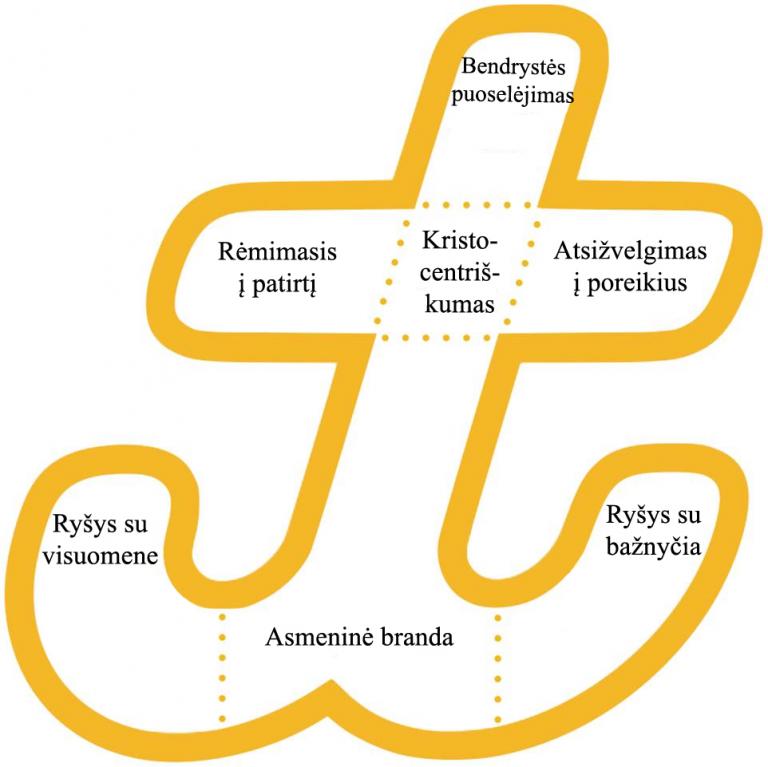
Youngstars’ activities are based on seven values: Christ-centeredness, fostering fellowship, responsiveness to needs, drawing on experience, growth, and connection with the church and society.
Youngstars seeks to support young people on their journey of personal growth, focusing on God, creation, and people.
This is achieved through seven core values of ministry:
CHRIST-CENTEREDNESS
At the heart of Youngstars’ work is the belief that Jesus Christ alone saves us from sin and grants us new life. Young people are encouraged to live in communion with Jesus Christ.
FOSTERING FELLOWSHIP
Youngstars’ activities are based on positive interaction. Children and teenagers should feel accepted and valued. Leaders and children work as a team in which everyone complements and supports one another.
RESPECTING INDIVIDUAL NEEDS
All activities are organized to reflect the characteristics of each age group, be relevant to their experiences, and be diverse and creative. The questions, needs, and individual characteristics of children and adolescents are taken seriously and treated with respect.
COMPREHENSIVENESS AND EXPERIENCE-BASED APPROACH
The goal is for children and adolescents not only to gain knowledge from the Bible, but also to have their understanding of biblical truths and other relevant topics fostered through their personal experiences and activities.
GROWTH (PERSONAL MATURITY?)
Children and teenagers are encouraged to take on responsibility. The good example set by leaders, spiritual disciplines (worship, prayer), social activities, and participation in church life help young people not to shy away from responsibility. Leaders are trained through practical ministry within the team and during courses. The goal is for them to carry out their work willingly and competently.
CONNECTION TO THE CHURCH
Every Youngstars group is part of a specific Christian community. Youngstars belongs to the universal Body of Christ and seeks to share its experiences with others. Youngstars is a tool for active church ministry (??).
RELATIONSHIP WITH SOCIETY
Youngstars’ activities also enrich society. The benefits to society include meaningful and beneficial activities, integration, as well as the prevention of alcohol, drug, and violence-related issues. Children and teenagers receive support on their personal journey toward maturity and have opportunities to develop their social skills and everyday abilities.
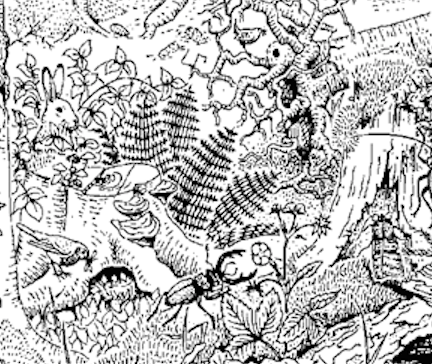
The following suggestion goes beyond the actual forest day. We present here a frame story that takes place every day and that creates rather quiet, contemplative moments in the lively camp life.

A relatively large amount of money can be saved in certain areas with little effort at Jungschar camps. This article is a collection of tips on how to keep the financial expenditure as small as possible
Object lesson using a simple piece of paper.

And God said, "Let there be space between the waters to separate the waters." And so it happened, God created that space to separate the waters above and below it. And God called the space "heaven." It became evening and morning: the second day. (Genesis 1:6-8)
I have the devotion on the second day to the "dividing of the waters." We now disagree on what the water looked like in the sky. I imagine clouds. As we know them now. But my brother thinks there were no clouds before the Flood and it was a layer of water in the sky. Can you help us there? What did the water in the sky look like?
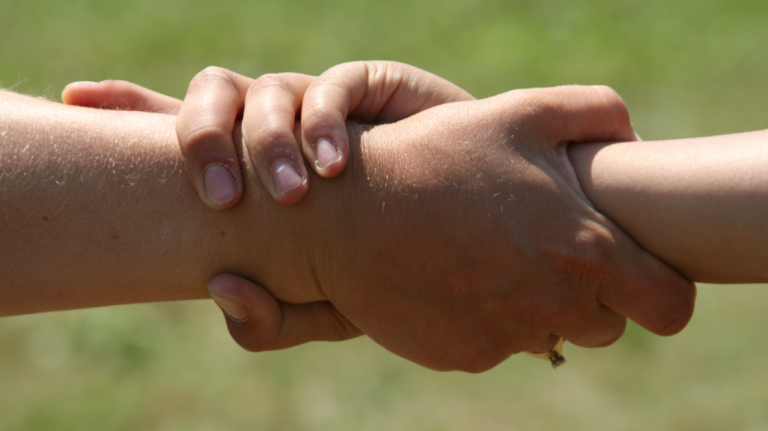
A look at Swiss sport, schools and even beyond the country's borders shows that commitments are a topical issue. A selection of projects and addresses.

Chain trapping is similar to pair trapping, with the difference that you don't separate.
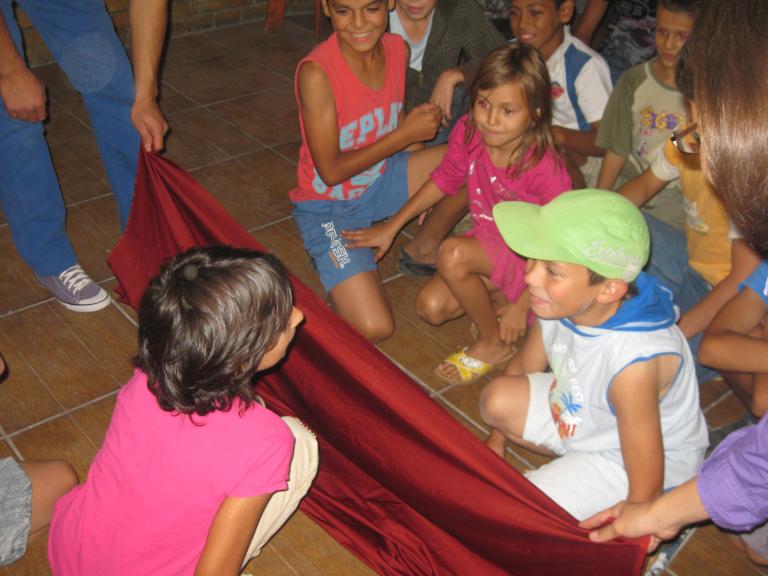
Materials: a blanket/tarpaulin/piece of fabric
Participants are divided into 2 teams (5–20 children). Before that, everyone goes around introducing themselves, once or twice.
Two leaders stand between the two teams, holding the blanket up so that the two teams cannot see each other. The rule is that, one at a time, the teams designate a representative to stand in front of or behind the blanket. After counting to 3, the leaders lower the blanket so the two can see each other. The first one to say the other’s name wins, and the loser switches to the opposing team. After a few rounds, the blanket is lowered without warning. The team with the most children at the end wins.
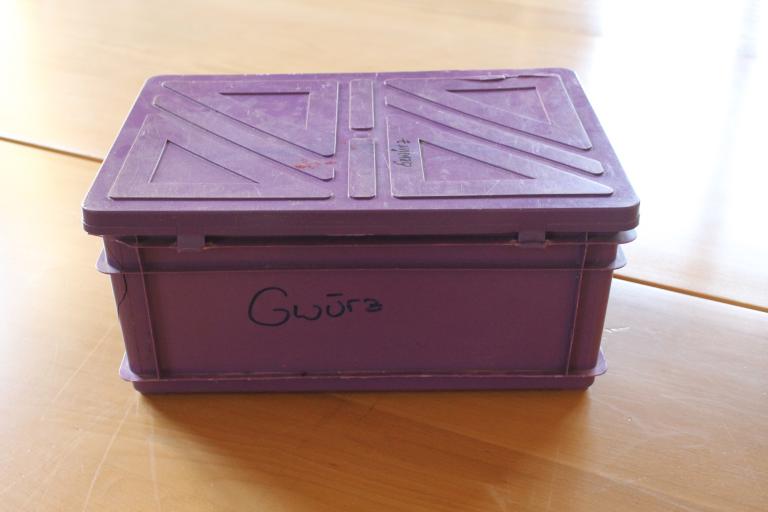
Are you taking home 3 cans of pepper and salt again after every camp?
Do you re-buy all your spices before each camp - and then find more somewhere?
Spices have a long shelf life and can therefore be used again in the next Pfila
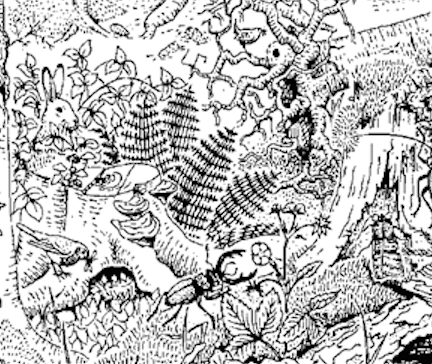
In the forest, there are various rules to follow